For anyone who builds, installs, or services carports and sheds, roll-up sheet doors are the dependable workhorses of the job site. They’re designed to handle outdoor conditions such as sun, rain, dust, gravel, and temperature swings, but even the toughest doors need routine care to keep operating smoothly.
The good news? Most major issues are completely preventable. A few minutes of regular maintenance can extend the life of a roll-up door, reduce repairs, and keep equipment and valuables protected. The guidelines below outline the key maintenance considerations for roll-up doors used on sheds, carports, and other outdoor structures.
Why roll-up sheet door maintenance matters for sheds and carports
Roll-up sheet doors installed in sheds and carports face harsher environmental stress than doors in controlled spaces. That includes:
- Moisture and humidity
- Dust, dirt, and gravel in the guide tracks
- UV exposure
- Rodents and insects invading gaps
Routine maintenance helps prevent rust, sticking, misalignment, operator strain, and premature wear, keeping the door safe, smooth, and reliable.

Key roll-up sheet door Components to Inspect Regularly
Most door issues start small: a loose fastener, a guide slightly out of square, or early signs of corrosion. Catching these early prevents bigger repairs later.
Inspect these components monthly:
- Curtain and bottom bar
- Guides, bellmouths, and guide stops
- Brackets, hardware, and fasteners
- Counterbalance system
- Chain drive or manual operator
- Weather seals
Any signs of scraping, denting, corrosion, or irregular movement may indicate that cleaning, adjustment, or repair is needed.
Top 3 Common Roll-Up Door maintenance Issues
 Counterbalance & Spring Tension Problems
The counterbalance system supports the door's weight, allowing for smooth and controlled movement. If your door exhibits any of the following symptoms, it may indicate an imbalance:
- A door that feels heavier than normal
- A door that will not remain fully open
- Rapid or uncontrolled closing
- Operator strain during lift
Manual lift testing is often used to identify balance concerns. If the door is difficult to raise or does not hold its position mid-height, tension adjustment may be required.
Spring adjustment should always be performed by a trained technician, as these components store significant force.
 Guide Track Misalignment & Debris Buildup
Carport and shed environments can allow dust, leaves, and gravel to collect inside the tracks. When guides become obstructed or misaligned, the door may:
- Rub or scrape during operation
- Slow or stick partway
- Experience uneven wear
- Produce metal shavings or grinding sounds
Inadvertent impacts may cause misalignment. Misaligned or bent guides typically require professional adjustment or repair.
Routine cleaning involves clearing debris, wiping the guides, and applying a light coat of silicone spray or paste wax. Grease is not recommended, as it attracts dirt.
 Operator & Limit Switch Irregularities
Electric-operated doors rely on properly set limits to stop and start in the correct position. When limits drift or are set incorrectly, a door may:
- Stop before reaching the full open position
- Close too forcefully against the guide stops
- Cause the operator to strain or hesitate
Before limits are adjusted, it is important to verify that the door is properly balanced. Many operator-related issues stem from tension changes rather than limit settings.
Outdoor maintenance Considerations for Carports and Shed roll-up Doors
Roll-up sheet doors used in outdoor environments typically benefit from more frequent cleaning and inspection:
Weather & Moisture
- Clean curtain surfaces and hardware with mild detergent
- Address rust at early stages
- Touch up paint to prevent corrosion spread
Debris & Ground Conditions
- Keep guides clear of dirt, gravel, and leaves
- Remove buildup around the bottom bar and opening
- Maintain a clean area around the door to minimize obstruction
Pest Prevention
- Inspect weather seals for gaps and chewing
- Replace damaged or compressed seals
- Keep stored materials away from the opening to reduce nesting
Routine vs. professional roll-up sheet door maintenance
Roll-up sheet doors are designed to be low-maintenance, and many basic care tasks can be handled through simple routine checks. However, certain components, especially those involving tension or load-bearing systems, require training expertise to service safely. Here are the maintenance items that should only be performed by a professional door installer:
- Spring tension adjustments
- Counterbalance system repair or replacement
- Major guide realignment or repair
- Bearing, shaft, or drum component replacement
- Operator limit adjustments when the door is imbalanced
- Repairs involving structural alignment of brackets or mounting hardware
These items are critical to the safe and reliable operation of the door. Professional maintenance reduces the risk of injury and prevents damage caused by incorrect adjustments.
Keep Your Doors Rolling Smoothly
Roll-up sheet doors are built to withstand demanding outdoor conditions, but they perform best when maintained on a regular schedule. Periodic cleaning, basic inspections, and timely professional service help ensure reliable operation and long-term durability for carport and shed applications.
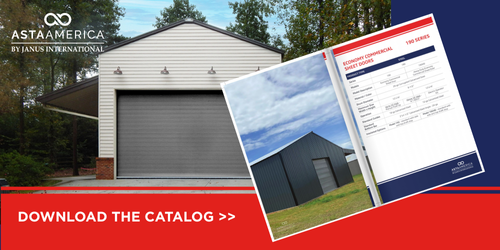
Download the Complete Roll-Up Sheet Door Catalog
Get full product specifications, available color options, and detailed information on the roll-up sheet doors commonly used in sheds and carports. Download the catalog.